










are critical pillars of sustainable agricultural development. They focus on strengthening the skills, knowledge, institutions, and systems that enable farmers, agribusinesses, and rural communities to adopt improved practices and technologies effectively. Together, they ensure that innovations move beyond research institutions and translate into real, measurable improvements in productivity, resilience, and livelihoods.
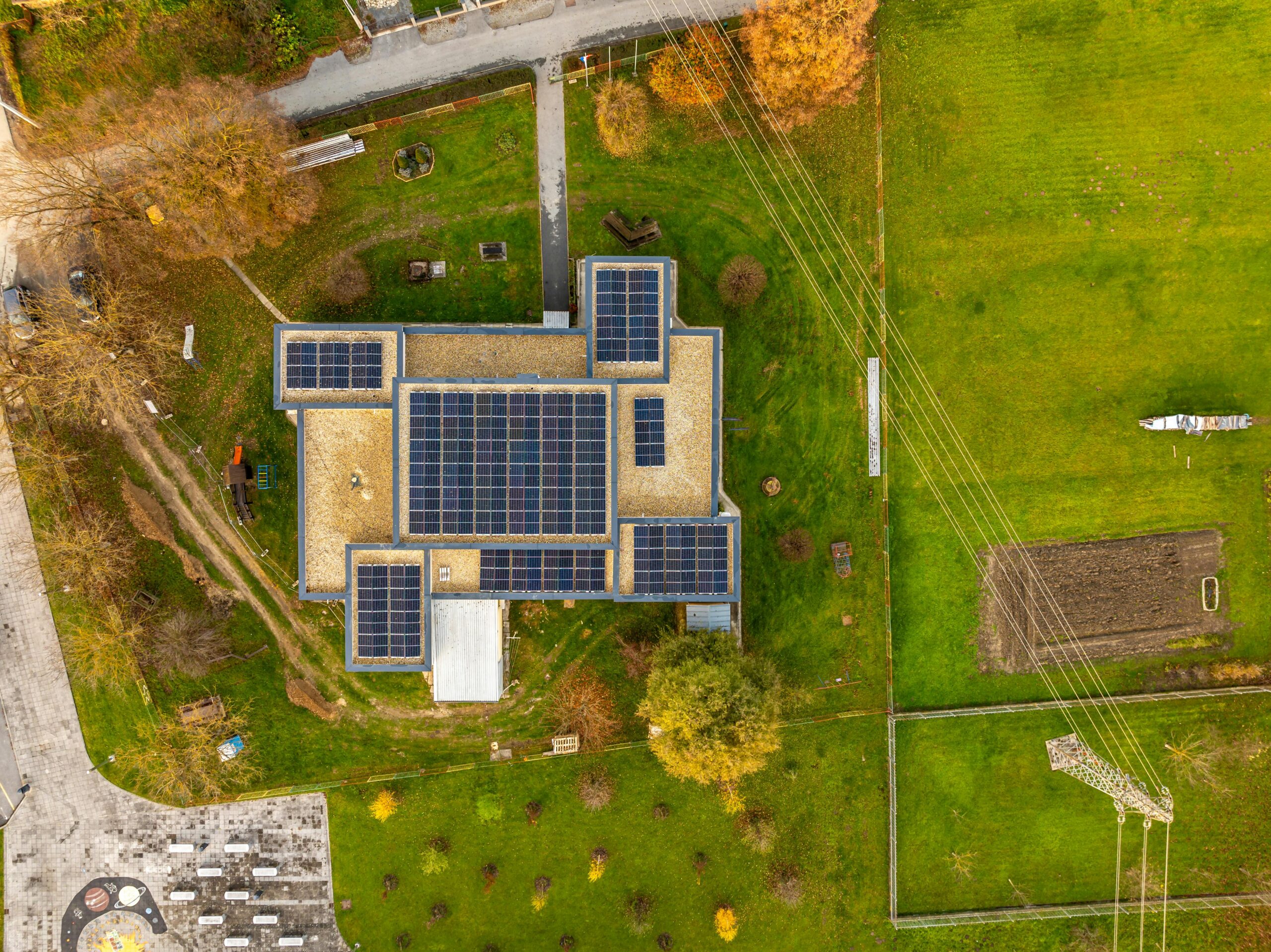
Agricultural Capacity Building
Individual and Farmer-Level Capacity
This includes training farmers in improved agronomic practices, soil and water management, climate-smart techniques, post-harvest handling, financial literacy, and farm business management. Farmer field schools, demonstrations, mentorship programs, and peer-to-peer learning are common approaches that encourage practical, hands-on learning.
Organizational and Community-Level Capacity
Strengthening farmer organizations, cooperatives, and producer groups improves collective action, access to inputs, markets, credit, and information. Capacity building at this level focuses on leadership development, governance, record-keeping, quality control, and value chain participation.
Institutional and System-Level Capacity
This involves enhancing the effectiveness of extension services, research institutions, policy frameworks, and market systems. Well-functioning institutions are essential for scaling innovations, supporting farmers consistently, and creating an enabling environment for sustainable agricultural growth.
CONTACT US
Get in touch
Empowering one farmer at a time to transform many